Real-time bowl tracking for a commercial bakery
We replaced manual dough-bowl tracking with a custom RFID + PLC system across three production stations: 100% automated, zero logging errors, and live visibility into every bowl on the floor.
- 100%automated bowl tracking
- 3live scanning stations
- 0manual logging errors
1. Executive Summary
A commercial bakery faced significant challenges in tracking dough bowls throughout their production process, resulting in limited visibility into production phases and inefficient manual tracking. Our company developed a comprehensive RFID-based tracking solution featuring custom IoT hardware, intelligent PLC integration, and real-time monitoring capabilities. By deploying three strategic RFID scanning stations at the mixer, fermentation room, and tipper locations, we enabled complete visibility into bowl movement and production status. The solution combined custom-designed hardware capable of withstanding harsh factory environments with sophisticated software logic to deliver accurate, automated tracking that transformed the bakery's operational efficiency.
2. Client Background
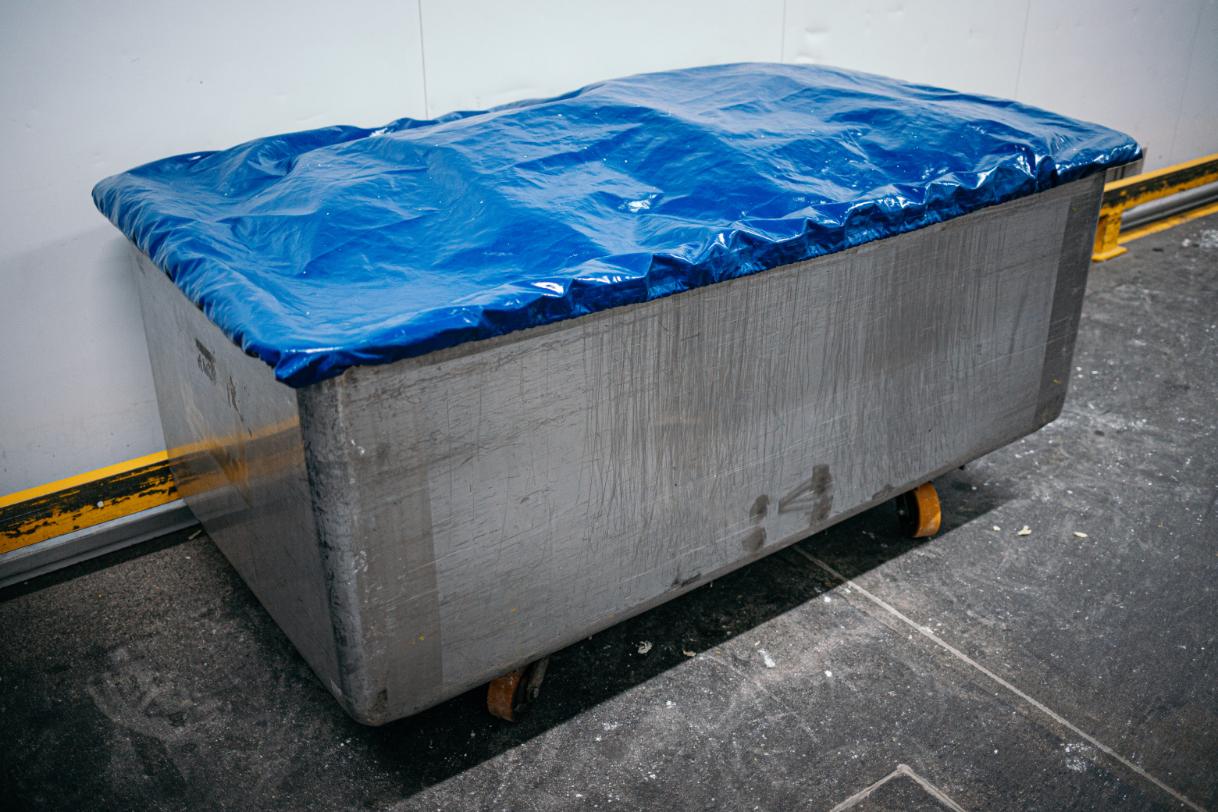
Our client is a commercial bakery operating a high-volume production facility specializing in bread and baked goods manufacturing. The production process relies on dough bowls that move through multiple stations (mixing, fermentation, final tipping), creating a complex workflow that requires precise timing and coordination.
Before our intervention, the facility operated with minimal automated tracking, relying primarily on manual logging and visual inspection to monitor bowl locations and production phases. This legacy approach created bottlenecks in production visibility, made it difficult to optimize fermentation timing, and left management without real-time data to make informed operational decisions.
The client sought improvement to achieve:
- Efficiency: Streamline production flow and reduce time spent on manual tracking
- Transparency: Gain real-time visibility into where each bowl is in the production cycle
- Reliability: Ensure accurate tracking regardless of environmental conditions or operator intervention
- Data-driven decision making: Capture production metrics to identify optimization opportunities
3. The Challenge
The bakery faced several critical challenges that hindered operational efficiency:
Lack of real-time visibility: Management and operators had no automated way to track which bowls were at which production stage, making it impossible to identify bottlenecks or optimize flow in real-time.
Manual tracking inefficiency: Relying on manual logs was time-consuming, error-prone, and provided only historical data rather than actionable real-time information.
Production phase uncertainty: Without automated tracking at the fermentation room, it was difficult to ensure consistent fermentation times, potentially affecting product quality.
Environmental constraints: The solution needed to function reliably in challenging conditions, including:
- High humidity and temperatures in the fermentation room
- Metallic bowls that could interfere with RFID signal propagation
- Electromagnetic interference from industrial equipment
- The need for robust, factory-grade enclosures
Integration requirements: The tracking system needed to synchronize with existing PLC-controlled production equipment to capture precise timing of when bowls arrived at each station, rather than continuous scanning that could miss critical events.
Remote access limitations: The factory's network security policies restricted direct remote access to IoT devices, making traditional remote troubleshooting and maintenance difficult. This required innovative approaches to diagnostics and system health monitoring.
4. Solution Overview
We designed a purpose-built RFID tracking system that addressed each challenge through custom hardware and intelligent software integration.
High-level architecture: RFID-tagged bowls → Custom RFID IoT scanning units (3 locations) + Environmental sensors → PLC integration → MQTT protocol → Local server → Cloud platform → Real-time dashboard
Our approach centered on four key pillars:
-
Custom IoT hardware development: We designed and built specialized RFID scanning units from the ground up, incorporating custom PCBs, our existing IoT microcontroller platform, and industrial-grade enclosures.
-
Intelligent PLC integration: Rather than continuous scanning, we integrated with the factory's PLC system to trigger scans at precise moments when bowls reached each station, ensuring accurate positional data.
-
Environmental monitoring: Beyond tracking bowls, we deployed environmental sensors to monitor temperature, humidity, and CO2 levels in the fermentation room, as well as ambient conditions on the factory floor, providing critical data for quality control and process optimization.
-
Environmental resilience & remote diagnostics: Through thermal management systems, ruggedized enclosures, and careful component selection (including on-metal RFID tags), we ensured reliable operation in harsh conditions. To overcome remote access limitations, we implemented a diagnostic recovery tool that automatically transmits system health data to our servers.
Key technologies used:
- Custom RFID reader modules with proprietary C++ interface library
- EPC filtering for tag identification and data processing
- On-metal RFID tags designed specifically for metallic bowl surfaces
- Custom PCB design integrating RFID modules with our IoT platform
- Power over Ethernet (PoE) for simplified deployment and reduced cabling
- Industrial enclosures with thermal management for high-temperature, high-humidity environments
- Temperature and humidity sensors for environmental monitoring
- CO2 sensors for fermentation room monitoring
- Diagnostic recovery tool for remote system health monitoring
- PLC output integration for event-triggered scanning
- MQTT protocol for reliable, real-time data transmission
- Cloud-based analytics and visualization dashboards with recipe management integration and trend analysis views
Why this approach was chosen:
Off-the-shelf RFID solutions couldn't meet the unique requirements of this environment. The need for custom logic integrating PLC triggers, environmental monitoring, and specialized dashboard requirements demanded purpose-built engineering. By developing our own hardware and integration logic, we could optimize for the exact use case, ensure long-term reliability, and maintain control over the entire technology stack for future enhancements.
5. Implementation
Steps taken during deployment:
1. Initial Assessment & Mapping of Workflows
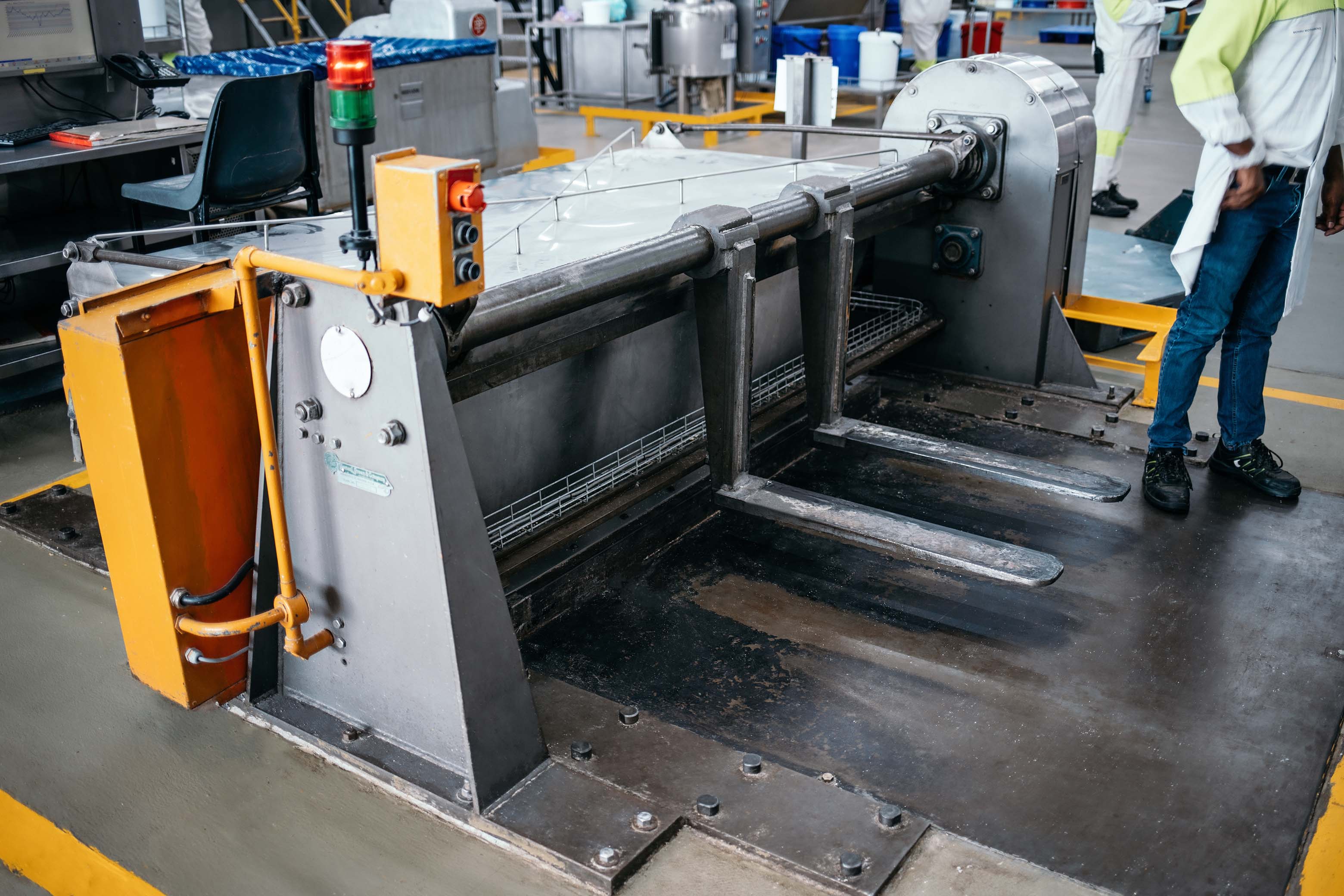
We conducted a comprehensive on-site analysis of the production flow, identifying the three critical tracking points: mixer (bowl filling), fermentation room (dough rising), and tipper (bowl emptying). We mapped the physical layout, documented PLC signals available at each location, and established environmental baseline measurements.
2. Research & Development Phase
This project required significant R&D to solve unique technical challenges:
- RFID tag testing: We evaluated multiple tag types and configurations, ultimately selecting specialized on-metal tags that could perform reliably when affixed to stainless steel bowls
- EPC filtering logic: Developed algorithms to process tag data and filter for relevant bowl identifiers
- Thermal management: Engineered cooling solutions for the RFID electronics to function in the fermentation room's high-temperature environment
- Custom C++ library: Developed a low-level interface library for the RFID reader modules, optimized for our microcontroller platform
- PCB design: Created custom circuit boards to integrate the RFID modules seamlessly with our existing IoT hardware architecture
- Enclosure engineering: Designed and prototyped IP-rated enclosures capable of withstanding humidity, temperature extremes, and physical impacts
- Environmental sensor integration: Incorporated temperature, humidity, and CO2 sensors into the device deployed in the fermentation room, and temperature/humidity sensors at the tipper station for factory floor monitoring
- Diagnostic recovery tool: Developed an automated diagnostics system that transmits device health metrics, error logs, and performance data directly to our cloud servers, enabling proactive maintenance without requiring direct remote access to the devices
3. Integration with Existing Factory Equipment and Networks
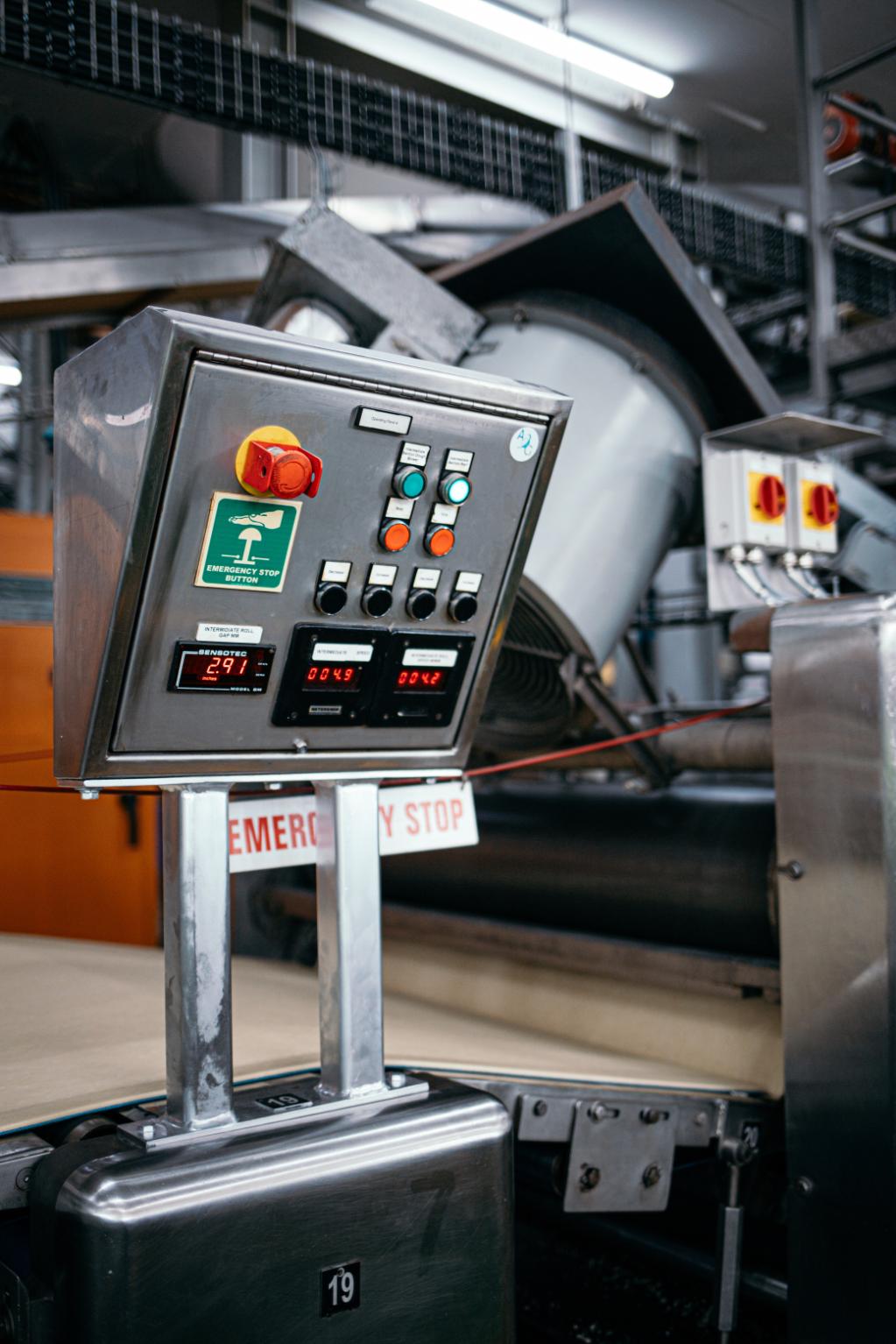
We connected to PLC outputs at the mixer and tipper stations to receive trigger signals indicating when bowls were in position. This integration enabled event-driven scanning rather than continuous polling at these locations, dramatically improving accuracy and reducing false reads. The fermentation room scanner operated independently without PLC integration. Network infrastructure was expanded to support PoE deployment, eliminating the need for separate power supplies at each scanning location.
4. MQTT Communication and Data Architecture
Configured secure MQTT channels to transmit scan events and environmental data from the three IoT units through an intermediary server directly to the cloud platform. The intermediary server acted as a secure gateway, routing data without local storage. The diagnostic recovery tool was integrated into this data pipeline, automatically sending device health metrics alongside operational data.
5. Testing, Calibration, and Training
We conducted extensive testing with actual production bowls, fine-tuning read distances, antenna positioning, and PLC timing triggers. Factory staff received training on the monitoring dashboard and basic troubleshooting procedures.
Obstacles encountered and how they were resolved:
- Metal interference: Initial tag selections failed to read consistently on metal bowls. We resolved this by sourcing specialized on-metal tags and adjusting antenna positioning.
- Fermentation room heat: Early prototypes experienced thermal throttling in the fermentation room. We redesigned the enclosures with active ventilation and heat-resistant components.
- Timing precision: Initial continuous scanning produced inconsistent data when bowls moved slowly past readers. PLC integration solved this by triggering scans only when the bowl was confirmed to be in position.
- Tag durability: Some tags degraded due to moisture exposure and physical damage from impacts during handling. We switched to fully encapsulated tags rated for industrial food production environments with improved durability against both environmental and mechanical stress.
6. Results & Impact
Quantifiable outcomes:
- 100% automated tracking: Eliminated manual bowl tracking, freeing operators to focus on production tasks
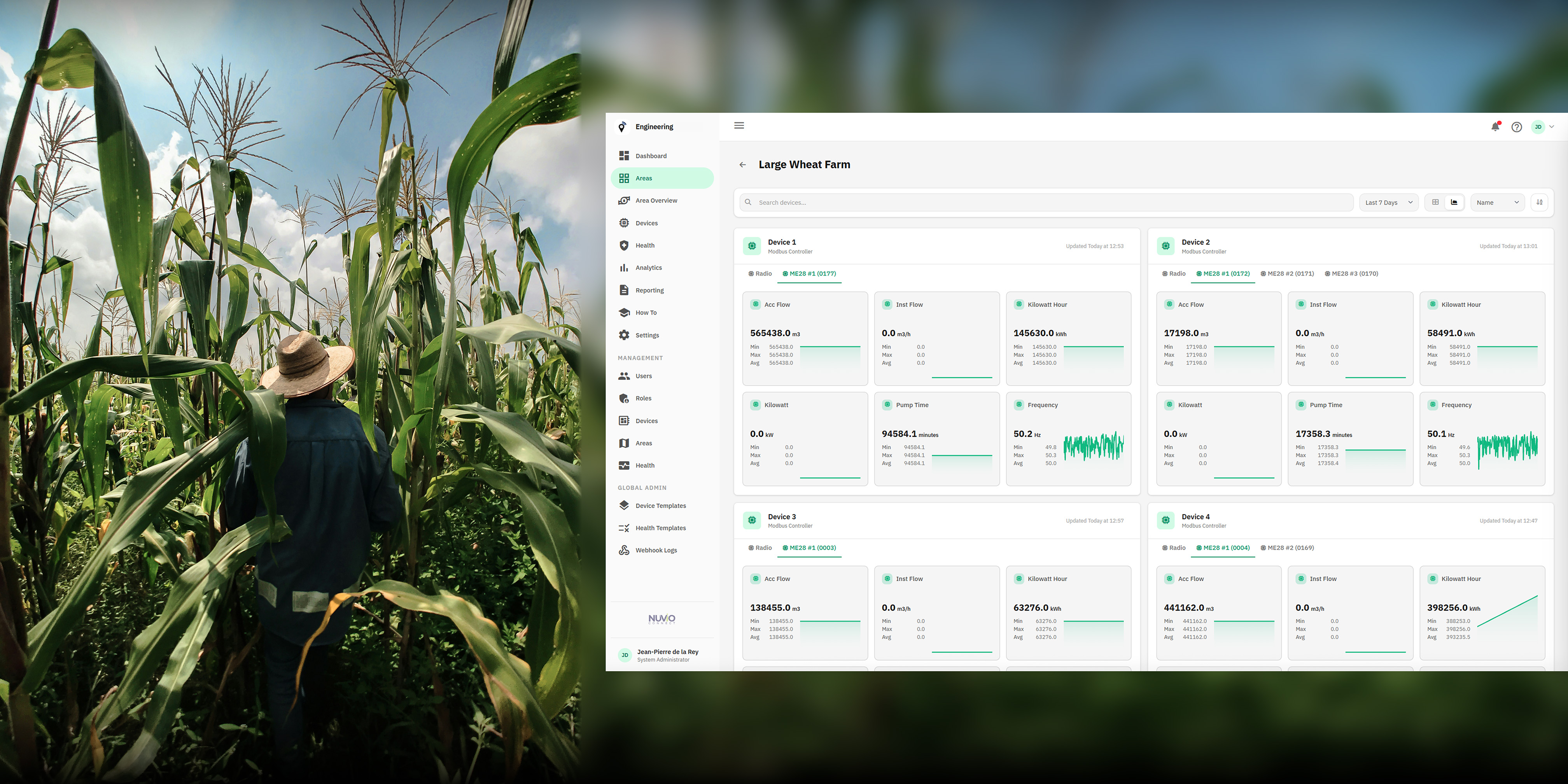
- Real-time visibility: Management gained instant access to bowl locations and production phase status through live dashboards
- Recipe management integration: Dashboard incorporated recipe tracking, correlating bowl movements with specific product batches for complete traceability
- Trend analysis capabilities: Historical data visualization revealed patterns in production flow, environmental conditions, and processing times, enabling data-driven optimization
- Improved fermentation consistency: Automated timing data enabled better monitoring of fermentation duration, supporting quality control initiatives. Environmental monitoring confirmed when temperature and humidity targets were being met in the fermentation room
- Enhanced environmental control: CO2, temperature, and humidity monitoring in the fermentation room provided actionable data for optimizing fermentation conditions and ensuring product quality
- Factory floor monitoring: Ambient temperature and humidity tracking at the tipper station helped identify environmental variations that could affect production
- Reduced errors: Eliminated manual logging errors and lost bowl incidents
- Faster reporting: Production reports that previously required end-of-shift manual compilation are now generated automatically in real-time
- Proactive maintenance: The diagnostic recovery tool enabled remote monitoring of device health, allowing us to identify and address potential issues before they caused downtime
Qualitative improvements:
- Better decision-making: Operators and management can identify bottlenecks as they occur and reallocate resources dynamically
- Improved visibility: Complete production transparency from mixing through final tipping
- Enhanced reliability: System operates continuously without operator intervention, even in challenging environmental conditions
- Operational confidence: The bakery now has verifiable data on production flow, supporting process optimization and capacity planning
7. Conclusion
This RFID tracking implementation has fundamentally transformed how the bakery monitors and manages its production process. What was once an opaque, manually-tracked workflow is now a transparent, data-driven operation with real-time visibility at every critical phase.
The system is designed for scalability: additional scanning stations can be deployed at other production points, and the existing recipe management integration and trend analysis capabilities provide a solid foundation for further enhancements. As the bakery expands or optimizes its processes, the RFID platform supports continuous improvement through data-driven insights.
This project demonstrates our capability to deliver end-to-end IoT solutions that go beyond off-the-shelf products. From custom hardware engineering to intelligent software integration, we partner with our clients to solve their unique operational challenges and position them for long-term competitive advantage in an increasingly data-driven manufacturing landscape.
8. Future Opportunities
Potential expansions:
- Additional scanning points for finer-grained tracking throughout the production line
- Predictive analytics to forecast production capacity and identify optimization opportunities
- Enhanced trend analysis to improve maintenance scheduling and equipment utilization
- Mobile notifications for operators when bowls require attention or intervention
- Deeper integration between recipe management and environmental control for automated process adjustments
The foundation is in place for this bakery to continue evolving toward a fully connected, intelligent production environment.